Certified inspections that identify hidden hazards and keep your fireplace system running efficiently.
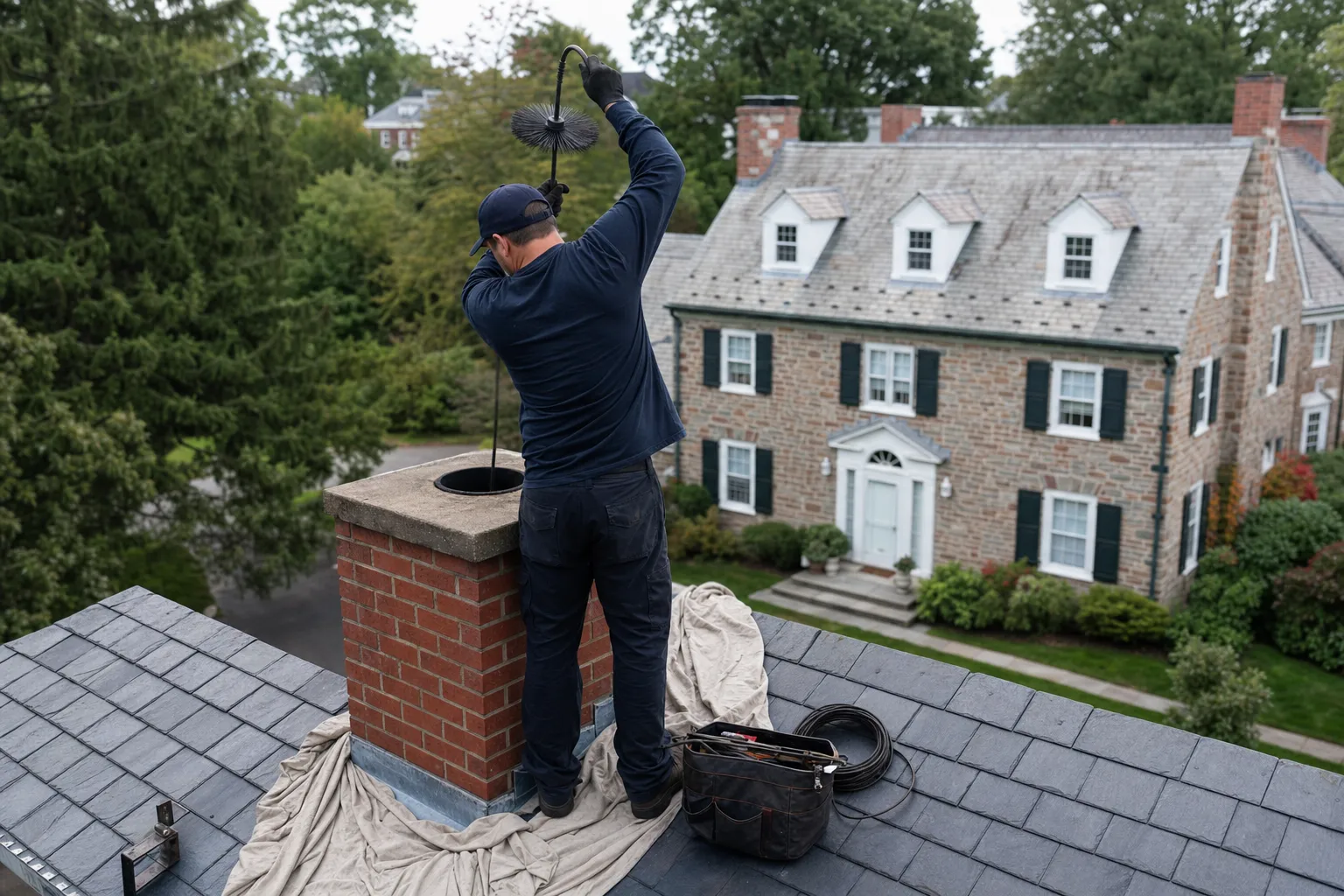
A properly maintained chimney is crucial for home safety. Our certified technicians conduct detailed evaluations of your entire system, identifying potential issues before they escalate. From creosote buildup to structural concerns, we provide thorough assessments that protect your Main Line home and family.
Why Regular Evaluations Matter for Your Fireplace System
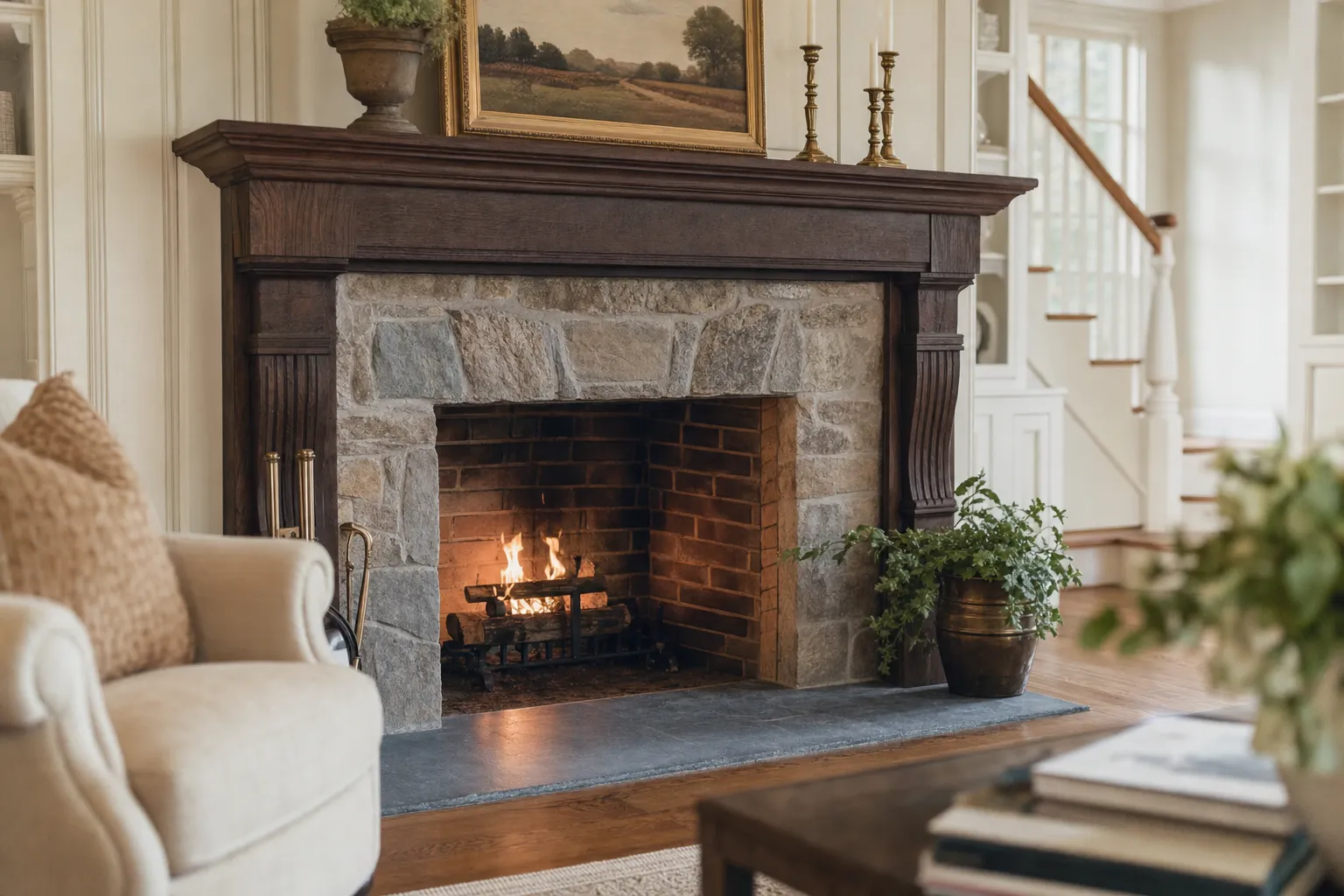
Annual evaluations of your fireplace system are essential for identifying problems before they compromise your home’s safety. Even well-maintained systems develop issues over time due to normal use, weather exposure, and natural wear. Our certified technicians conduct detailed assessments that examine every component of your system, from the interior flue liner to the exterior crown and cap. We use specialized tools and industry-standard protocols to detect hidden hazards that may not be visible to the untrained eye. Whether you burn wood regularly during Pennsylvania winters or use your fireplace occasionally, routine evaluations help prevent costly repairs, improve efficiency, and ensure your system operates as intended. Scheduling annual service is the most effective way to protect your investment and maintain a safe home environment.
What Our Chimney Inspections Include
Our thorough evaluations provide a complete assessment of your fireplace system’s condition and safety, ensuring your home remains protected and your heating system operates at peak efficiency:
-
Flue and Liner Assessment: We examine the interior surfaces for cracks, gaps, deterioration, and excessive creosote accumulation that could lead to dangerous conditions. Our certified technicians use specialized cameras and lighting equipment to inspect areas that are not visible to the naked eye, identifying potential hazards before they become serious safety concerns. We measure creosote buildup levels and assess whether cleaning or more extensive repairs are necessary to maintain safe operation.
-
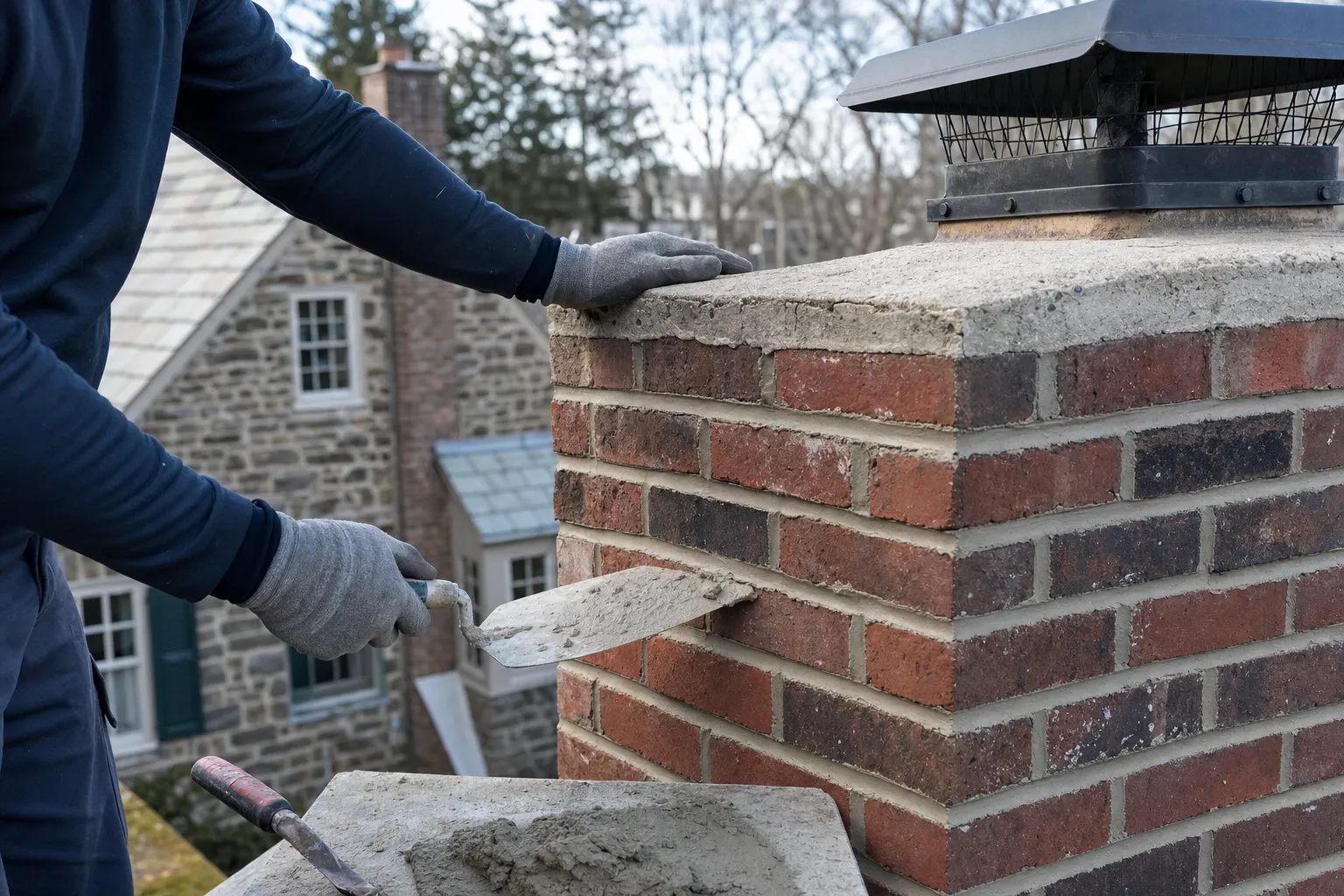
Structural Evaluation: Our technicians check the masonry, mortar joints, chimney crown, and overall structural integrity to identify any signs of damage or wear. We carefully examine the exterior brickwork for spalling, cracks, or loose mortar that could allow water infiltration. The chimney crown receives particular attention, as this critical component protects the entire structure from moisture damage. We also assess the foundation and support systems to ensure your chimney remains structurally sound for years to come.
-
Cap and Damper Function: We verify that protective components are properly installed, functioning correctly, and providing adequate protection against moisture and wildlife. A properly functioning chimney cap prevents rain, snow, and animals from entering your flue while allowing smoke and gases to exit freely. We check damper seals and operation to ensure they open and close smoothly, preventing heat loss when your fireplace is not in use and allowing proper ventilation during operation. If an inspection turns up a missing, rusted, or poorly fitted cap, our chimney cap installation service can handle the repair or replacement as part of the same visit.
-
Ventilation and Draft Testing: We assess airflow patterns and draft performance to ensure combustion gases are venting properly and efficiently from your home. Poor draft can result in smoke entering your living space, reduced heating efficiency, and dangerous carbon monoxide buildup. Our technicians evaluate the height and positioning of your chimney relative to the roofline, check for obstructions, and measure draft strength to confirm your system meets all safety standards and performance expectations.
-
Comprehensive Documentation: Following each inspection, we provide you with a detailed written report that includes photographs of any issues discovered, explanations of recommended repairs, and prioritization of necessary work. This documentation gives you a clear understanding of your chimney’s condition and helps you make informed decisions about maintenance and repairs.
What to Expect: Your Inspection, Step by Step
- Schedule a time that works. Call, text, or request an estimate online. We do same-day callbacks Monday through Friday and get a certified technician on your calendar as quickly as our schedule allows.
- We walk the whole system. Your technician starts at the firebox and works up, checking the damper, smoke chamber, flue, and any accessible mechanical parts before heading up to the roof to check the crown and cap.
- Camera inspection where it counts. For a Level 2 inspection, or whenever the situation calls for it, we run a video camera down the flue to see conditions a flashlight alone cannot reach.
- We show you the photos before we say anything. You see exactly what we saw: creosote levels, crown condition, cap and flashing, all documented, before any conversation about repairs.
- A written report, not a guess. You get a clear report explaining what we found, what it means, and what, if anything, needs attention next, with no pressure to book anything on the spot.
A Typical Inspection Example
Every chimney is different, but a lot of routine inspections on the Main Line turn up a familiar pattern. On an older stone or brick home, a typical Level 1 inspection often finds a thin layer of early-stage creosote in the flue, a few hairline mortar joints starting to open on the crown, and a cap that is still doing its job but showing surface rust after years of exposure. None of that is an emergency. It is exactly the kind of wear an annual inspection is designed to catch, so a straightforward cleaning and a bit of crown sealant can handle it before winter instead of after a leak shows up on the ceiling. If an inspection turns up something more involved, like a cracked flue tile or a deteriorated liner, we explain what we found with photos and walk you through the options, with no pressure to decide on the spot.
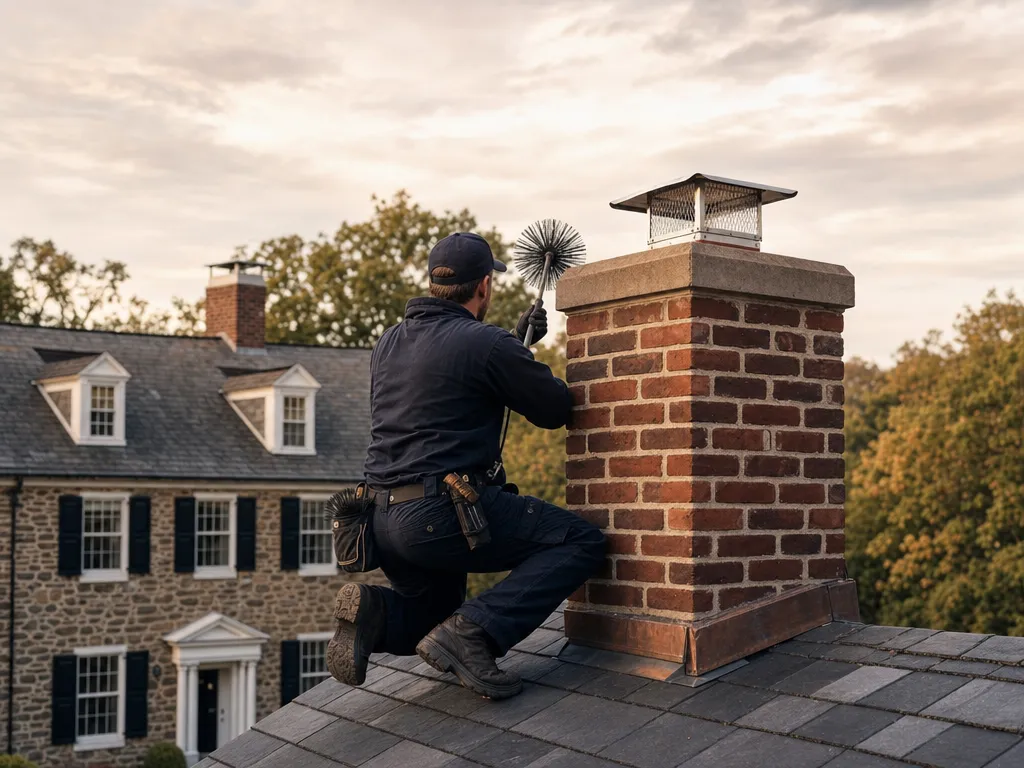
This is a general example based on the kinds of findings common to older Main Line homes, not a specific customer’s inspection report.
Chimney Inspection Cost: What Affects Your Estimate
There is no single price for a chimney inspection, because a few things change what the visit actually involves: whether you need a Level 1 or Level 2 inspection, how many flues your home has, how accessible the chimney is from the roof, and whether a video camera scan is called for. We look at your specific chimney and give you a free, written estimate before anything starts, so the number you see is the number you pay. If the inspection turns up repair work, that gets quoted separately and explained in plain language before we do anything beyond the inspection itself. Call (215) 254-9355 for pricing specific to your chimney.
Chimney Inspection: Common Questions
How much does a chimney inspection cost?
Pricing depends on whether you need a Level 1 or Level 2 inspection, how many flues your home has, and how accessible your chimney is. We give every homeowner a free, written estimate before any work begins, so call (215) 254-9355 and we will quote your specific chimney.
How often should I get my chimney inspected?
At least once a year, ideally before heating season. The Chimney Safety Institute of America recommends an annual inspection for chimneys in regular use, and more frequent checks if you burn wood heavily, just bought the home, or made a change to your heating appliance.
What’s the difference between a Level 1 and Level 2 inspection?
A Level 1 inspection covers the readily accessible parts of a chimney in a system that has not changed and is used as it always has been. A Level 2 inspection is more thorough, including a camera scan of the flue interior, and is typically needed after a chimney fire, before a home sale, or after any change to the appliance, fuel type, or flue.
Do I need an inspection if I rarely use my fireplace?
Yes. Chimneys that sit unused can still develop problems from weather exposure, animal nesting, and settling masonry, even without a single fire. A quick inspection before your first fire of the season confirms the flue is clear and the structure is sound.
Will you pressure me into repairs I don’t need after an inspection?
No. We show you photos of exactly what we find and explain what it means in plain language. If your chimney only needs a cleaning instead of a repair, that is what we will tell you. Our estimates are free, written, and come with no obligation.